

Transforming Training Through Engaging E-Learning Modules
With 74% of employees stating that they are not achieving their full potential due to lack of training (EdStellar), we know that businesses need to provide more than lengthy PowerPoint presentations filled with slides of text to properly engage, support and inform.
Creating online learning modules that cover all the bases can seem overwhelming, but our approach here at Synima is unique – by asking how you can make your learning entertaining, you’ll instinctively move towards modern, interactive learning modules that employees are truly excited to engage with.
Whether you’re concerned about compliance training or health and safety, this article will take you through every aspect of the learning module production pipeline to provide you with all the information you’ll need – but if you want to skip the learning curve and partner with a production company that’s spent 20 years translating these guidelines into robust eLearning materials for our clients, then we’ve got you.
Elements of Successful eLearning:
Tailored: The best eLearning materials consider the needs of all learners – putting accessibility at the forefront and using feedback loops to renovate areas that need improving.
Structured: Course content is broken down into logical chunks and follows the same navigational flow throughout.
Interactive: Interactive activities help learners reach their educational goals through instant evaluation.
Intuitive: The course is easy-to-use and learners can switch over to other devices seamlessly, keeping track of their progress.

Set Clear Learning Objectives for Effective Training
Effective learning modules start with a clear understanding of the goals you want your employees to reach – and choosing logical, specific objectives is what will help your employees to actually achieve them!
Creating SMART Goals: Best Practices
When plotting out your learning objectives, we here at Synima recommend that you create SMART goals. By sticking to the following framework, you’ll ensure that your learning module production process is focused and effective:
• Specific: State what your learners will take out of each module and what they will accomplish having finished the full course. A clear goal makes it easier to focus on the information that’s important.
• Measurable: Make sure that progress can be tracked, both the length of the overall course left and the understanding of the topic learnt.
• Achievable: Get inside of the mind of your learner and understand their experience level. Something too complex can break morale and cause overwhelm, so stay clear of jargon overload and keep it simple!
• Relevant: Each module should be designed to deliver relevant, contextual information, with each chapter building upon a learner’s prior knowledge.
• Time-bound: An end goal in sight makes a course seem much more achievable, and gives learners a chance to plan their learning around how long it’ll take.
Audience Insights – Tailoring Learning Experiences for Maximum Impact
After getting clear on your learning objectives, the next crucial step is shaping your course components around the diverse learning needs of your employees. To really foster learner engagement across the board, you need to strike the right balance between visual, auditory and kinesthetic modes of information.
Developing Learner Personas
At Synima. we recommend conducting a needs assessment before diving into production. One-on-one audience analysis is a great way to ensure that your content is relevant, and shows that you truly value the growth of your employees’ learning. There’s no one learning style that triumphs all – it’s about what works for each individual, whether that’s a hands-on demonstration, a self-led approach, or support from a group learning environment.
Consider the experience of your audience, too. Not only will different learners benefit from different elements of e-learning modules, but two user personas will need varying levels of jargon, depth and background context.
Choose the Right Content Type for Each Online Training Module
While each module should provide the audience with a variety of learning styles to engage with, each learning objective will inevitably benefit from more focus on a certain content type, whether that’s video, quizzes or audio and text. Learning module creation that is both inclusive of all learning styles and tailored to the medium it excels within is, in our opinion, how to reap the most benefit from your course.
Format Options Based on Learning Goals
A fantastic example of matching the right medium to your learning goal is our very own collaboration with M&S, in which the established brand needed to completely reinvent how they handled security training. In this case, live action video is what allowed them to ease employees into an otherwise harsh topic, showing them in an instructional way how to handle a stop and search situation with confidence.

Organize and Structure Content with Templates
A well-structured module template is one that follows key graphic design for e-learning principles, like clear spacing and a consistent navigational flow, the latter of which promotes intuitive traversing of the content.
The Role of Content Chunking
When designing engaging online modules, structure is just as important as visuals. Make sure then to break your content down into smaller sections, with each focusing on a specific topic. Tackling one module at a time like a chapter really does enhance the learning experience, paving the way for self-paced learning.
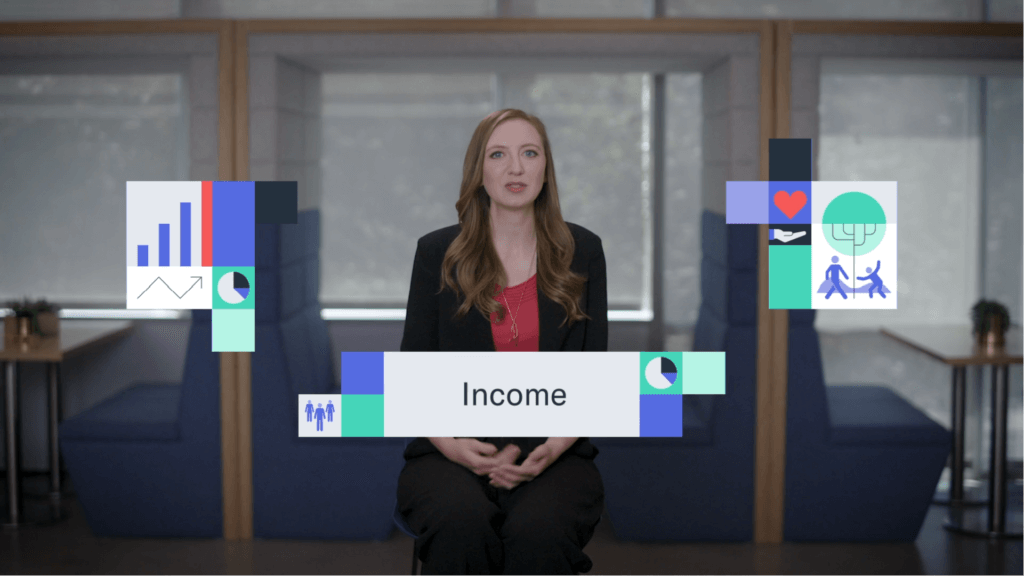
When covering a large amount of information, our belief is having a larger number of parts is more beneficial than having fewer but longer modules that cover too much information – as evidenced by the success of our award-winning 17-part learning series produced for Flexport, which engaged learners both within the workplace and inside their customer base, directly attributing to 4 qualified leads for the company!
Use Interactive Features to Maintain Engagement
Multimedia in learning modules allows for variety, catering not only to every audience member’s learning style, but fostering engagement by keeping things fresh and dynamic. Here, we’ll discuss the best time to incorporate multimedia tools to create interactive e-learning.
Types of Interactive Tools
Multimedia elements include text, sound design, embedded videos, quizzes that lead to branching scenarios, and simulations – the latter of which make for a great opportunity to experience scenario-based learning in a risk-free environment.
In our experience, it’s best to avoid placing quizzes near the start – especially when learning a brand-new topic, as doing so can knock down confidence. The same goes for branching scenarios, which can seem a bit intimidating when placed too early on. Instead, starting off with a video is a great way to ease into a topic. Check out some video production examples of work we’ve produced.
Accessibility and Inclusive Design: How to Create Training Modules Catered to Everyone
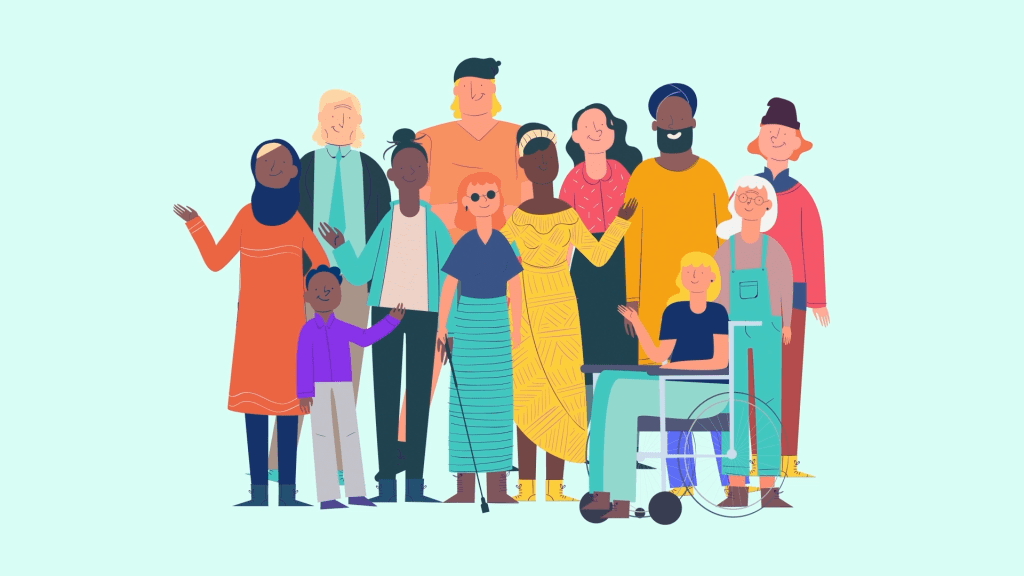
When striving towards inclusive e-learning module design, it’s important to stick to accessibility guidelines. While the Americans with Disabilities Act Standards for Accessible Design doesn’t have any specific guidelines to follow, you can use WCAG standards as your guide.
Adhering to WCAG Standards
It’s paramount that your training course is accessible to the specific learning requirements of all learners, so we’ll go through each category of the Web Content Accessibility Guidelines to ensure that you are creating engaging learning for all:
• Perceivable – Learners should be able to engage with the training content with just one sense, whether that’s through captions or a screen reader. Your content should be distinguishable, too, with screen magnifier capability, clear contrast ratios, and sufficient spacing.
• Operable – All interactive elements in your eLearning content, such as buttons, links, and forms, must be fully operable via keyboard.
• Understandable – Provide clear instructions of how to use features and how to navigate the learning module, and make sure that the flow of your modules is consistent.
• Robust – No matter how learners receive information, they should receive the same quality of learning.
Multi-Device Optimization for a Seamless Experience
Learners will have different devices that they prefer and have access to, so your training experience should be as equally helpful and seamlessly switchable across all of them. Responsive design for learning is all about improving the user experience, and multi-device accessibility gives everyone that quality feel.
For example, not only is breaking down your content into smaller bites helpful for engagement, it’s a great way to ensure compatibility with smaller-screen devices like phones, too! When paired with other responsive frameworks such as clear headers, bullet points, and scrolling, you’ll create an experience tailored for all.
Track Module Performance and Refine Learning Content
With feedback loops, whether they’re ignited by personalized feedback from an instructor, a self-review, or automated feedback through quiz results, you’ll have the tools to continually improve your content.
Using Data to Measure Success
We’ve previously recommended adding quizzes nearer the end of your learning modules to instill confidence, but that’s not the only reason why they work best there. Cross-referencing how much information learners retained through quizzes with the course’s competition rate will help you see how successful it was. Great scores with low completion rates may mean your course was reiterating past knowledge and seen as unnecessary, whereas the opposite may indicate that your course was too focused on entertaining. Need help with Implementing this in a design consistent to your brand? Don’t worry, we have you covered.
Closing Thoughts: The Path to Effective, Engaging Learning Modules
Effective learning module production relies on a robust combination of all the considerations listed above, and when you focus on continually improving online learning module design through them, you’ll create impactful training modules that truly support the careers of your employees.
If you would like more guidance on how to create successful e-learning materials or are looking for a production partner with experience in doing so, feel free to contact us.

As a journalist specialising in video content, Emily possesses expertise across all facets of the industry, from emerging trends to innovative communication strategies that empower brands to effectively tell their stories.