

Effective brand storytelling cuts through the noise to create genuine audience connections. In our latest exploration of creative excellence, we connected with director Will Clark Smith, whose distinctive approach to narrative has shaped impactful campaigns across multiple sectors.
Clark Smith centers on finding the human element in every brand message: “When you build your creative around a relatable individual or group, you can break down so many barriers and create content that genuinely connects with the audience.”
From his refreshing take on social media storytelling to his call for greater creative courage, Clark Smith challenges conventional brand communication approaches. Our conversation delves into the storytelling methods, collaborative processes, and strategic mindsets that are redefining how brands communicate in an increasingly fragmented media environment.
Will, your work spans diverse sectors and audiences. From that experience, which narrative approaches have you found most impactful for corporate messaging?
There are multiple options for storytelling with corporate content, and it depends on the brand and the message they wish to convey as to which will be the most effective.
Personally, I love narratives that are centered around the human aspect of an organization. When you build your creative around a relatable individual or group, you can break down so many barriers and create content that is engaging and connects with the audience.
An alternative angle is to focus on the vision of the brand: Who are they? What do they want to achieve? How can this content characterize their voice? I always collaborate closely with the brand team to understand their aims and goals for the content, this helps me shape the narrative in a style that is relevant and aligns with the wider brand picture.
The key in any creative endeavor is to ensure that you do tell a story, as this is always critical in connecting with your audience. We have been telling each other stories for many years, and there is no reason to change that now!
Walk us through your creative development process. How do you transform a brand’s objectives into a story that resonates?
I work closely with the brand in the briefing stage to understand what the needs and requirements are for this piece of content. I need to understand why the brand wants to create this film or content.
Once I understand that, I can look at a variety of creative routes, and I often develop at least three to four concepts that I can present back to the client. I try to make these different to offer up multiple approaches that tackle the message in contrasting ways.
Once I have presented these to the client, I take on board their feedback and then create a final concept/script that is built around a combination of their input and my thoughts. Collaboration is vital to this process.
Once we have that script in place, we are then able to begin pre-production where we craft the vision further and we look at every element to ensure that we are developing the creative with a shared vision. That way when we come to actual filming and production, a lot of questions have already been answered and we can push forward creatively on the shoot days.
During filming, I aim to create an open and collaborative atmosphere on set that encourages everyone to feel part of the production, and this very much includes the client and brand team. I actively seek out their thoughts on how the film is shaping up and ensure that I can react to their input during the filming process.
This shared approach then continues into post-production where I work with the edit team to craft the narrative and deliver the content that we promised at the start of the process. There will obviously be changes, but I aim to stay as true to the original concept as is possible.
What’s an underutilized storytelling technique you believe that more brands should adopt?
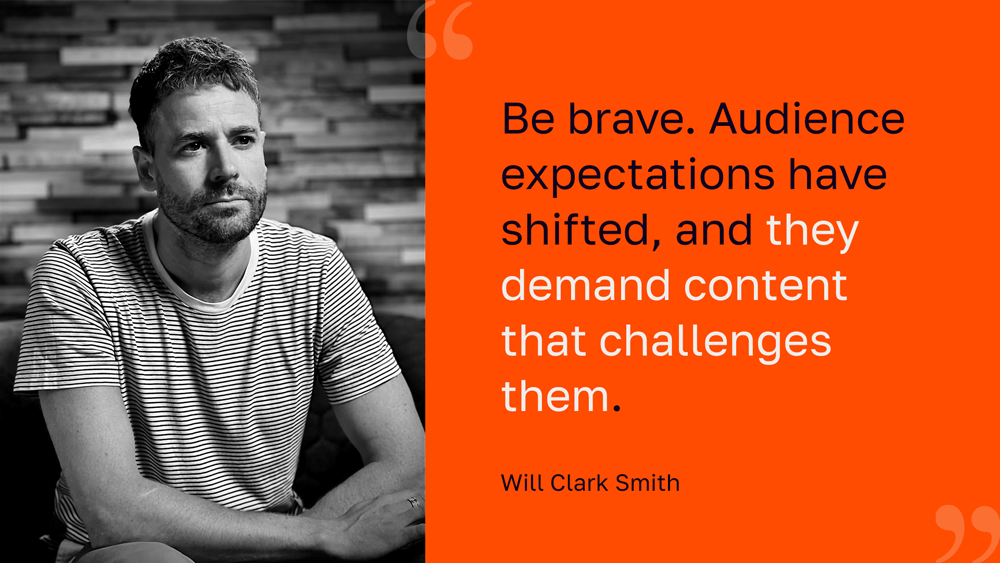
Be brave. Audience expectations have shifted, and they demand content that challenges them. Almost every brand can be braver in their storytelling.
Social platforms have revolutionized content consumption patterns. How has this shift influenced brand narrative strategies?
The beauty of social media is in its immediacy, personalization, and volume.
Brands are able to reach audiences in a much more immediate way by appearing within their personal feed, this creates the opportunity for brands to become part of people’s interests. But as a result, brands have to act more as a curator of their content and not just be the sole purpose or subject of the story.
Brands can also take advantage of personalizing their content by utilizing the multitude of information and data that social media offers. Brands should look to build and develop multiple content strands that will appeal to different audiences. This can often mean shooting enough content so that it can be edited in different ways with different end results.
This also leads into the volume aspect, as brands should be expected to be creating more content. It is about maintaining presence on social media, and this means creating more content to keep releasing throughout the calendar year.
What’s one mistake you see brands make when trying to connect with their audience?
Thinking that people care about their brand as much as they do! You have to grab the audience’s attention with your content, make it relevant to them, tell a story that compels them to find out more. Make them remember your name.
Great storytelling isn’t just about compelling narratives — it’s about creating authentic connections that resonate with audiences. At Synima we transform brand objectives into stories that capture attention and drive engagement. Ready to make your brand storytelling braver and more human-centered?

Head of Marketing at Synima