
A brief can only take an idea so far. Between the first spark and the finished piece sit budgets, timelines, legal sign-offs and a room full of people who each need something different from the work. Getting a strong idea through all of that with its energy intact takes a particular kind of skill, and it’s one that rarely gets the spotlight.
Lisa Leath, Creative Digital Producer at Sky Creative, works right at that point. Managing budget and resource across creative, design and marketing, she keeps projects moving while making sure the work still delivers against the brief. Her perspective is shaped as much by how things actually get made as by the ideas themselves, and by a belief that the best results come when everyone is pulling in the same direction.
In our conversation, Leath explores where data helps and where instinct needs room to lead, why commercial objectives and emotional impact belong together, and the hard truth about constraints that creatives sometimes need to hear. She also shares how yoga teacher training changed the way she works with teams, along with practical advice for anyone starting out in production today.
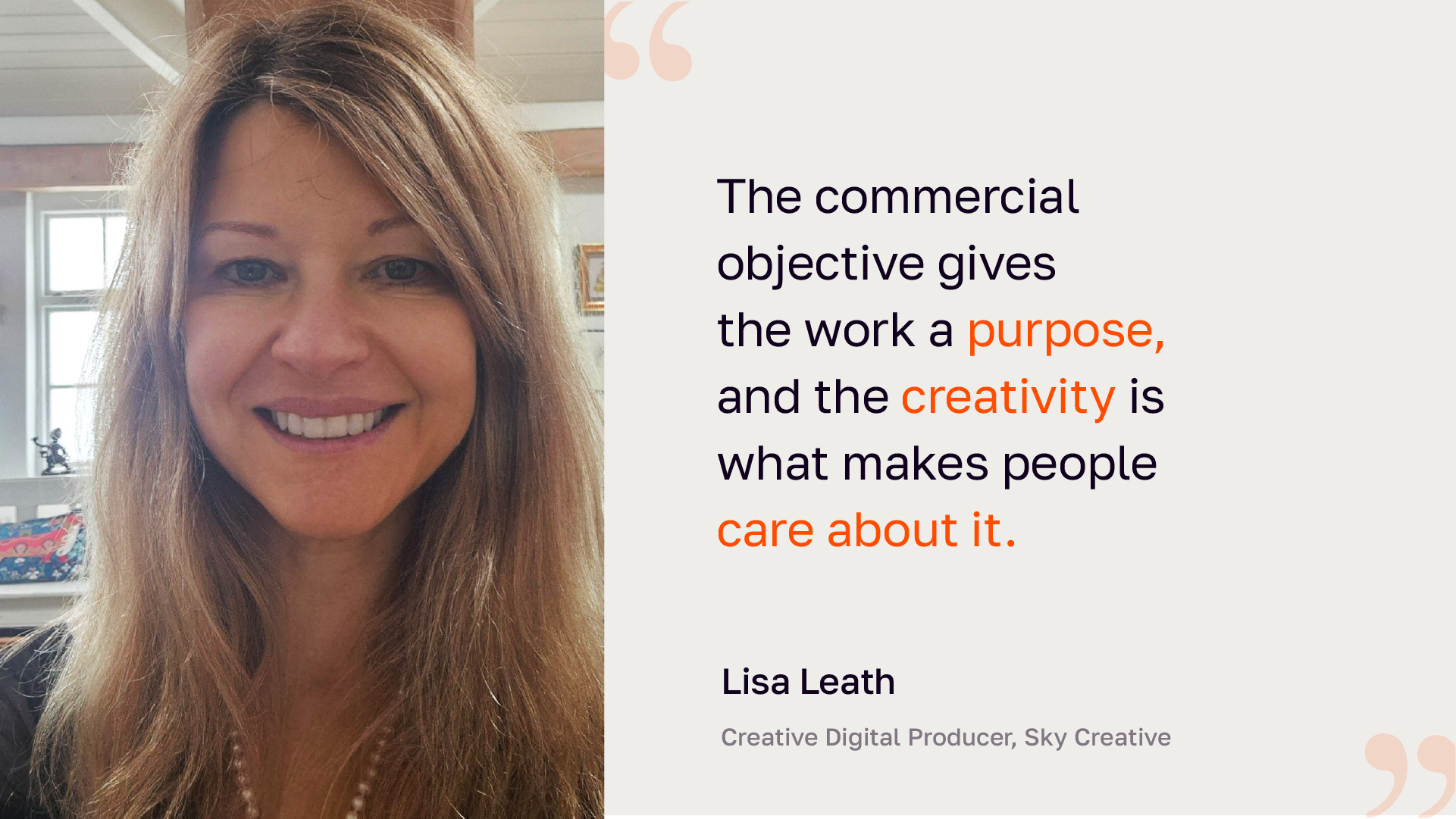
Lisa, you’ve got a huge amount of experience working in creative production and marketing across a range of sectors. What still excites you about bringing an idea to life?
The finished product. A brief rarely tells you where you’ll end up, and no two projects take the same route, so the journey is always different. Seeing a rough idea take shape, hitting problems along the way, and arriving at something none of us could have fully predicted at the start is what keeps the work fresh for me.
How do emotional impact and commercial objectives come together?
My role sits right at that meeting point. As a producer, I manage budget and resource and make sure the creatives and designers are delivering against the brief, so I’m constantly balancing what the creative team wants to make with what marketing needs from the work. I don’t see those as opposing forces. The commercial objective gives the work a purpose, and the creativity is what makes people care about it. My job is to keep both in view so neither gets lost along the way.
When can data start to hinder the work? Is there still room for instinct?
Data isn’t something we work with directly in production, so I see it from the outside. What I can say is that it clearly shapes the briefs we receive, from the type of campaign to where it’s placed. That’s valuable, but a brief built on data can only tell you what has worked before. Creative work that surprises people usually needs someone to trust their instinct and take a considered leap. The best results I’ve seen come when data sets the direction and the creative team is given room to find the idea within it.
What do your proudest projects have in common?
They’re the ones with a distinctive creative idea at the core, the kind that makes people stop and notice, and where the whole team was pulling in the same direction to make it happen. Often, they also involved a real challenge, like a tight budget or a complicated build, where the team had to find a smarter way through. Those are the projects that stay with me.
What’s the hardest truth creatives sometimes need to hear?
That not every idea can go as far as they’d like. Sometimes that’s because of legal or compliance requirements rather than a lack of ambition, and it can be frustrating when the brief is narrowed for reasons that have nothing to do with the creative. But constraints are part of the job, and some of the best ideas come from working inside them. The part that falls to producers and marketers is explaining the “why” clearly and helping find a way to keep the spark of the idea alive.
What advice would you give someone entering the industry today?
I come at this from production rather than marketing, so my advice is from that side: get close to how things actually get made. Understand budgets, timelines and what each discipline needs from the others, because that’s what earns trust with creative teams. Be organised and reliable and communicate early when something’s at risk. And stay curious. The people who build influence are usually the ones others enjoy working with and know will deliver.
What’s something outside of work that shapes how you lead?
Yoga teacher training. It taught me patience, and it reinforced the idea of being a forever student, staying open to learning from everyone in the room regardless of seniority. It also made me more diplomatic and more conscious of how a team works together, which matters a lot when you’re bringing creative, design and marketing perspectives into one project.
Connect With Us
Leath’s approach is a reminder that great creative work depends on the people who carry it from brief to finished product, and that the strongest ideas often take shape inside real-world limits. At Synima, we work with brands to turn ambitious ideas into visual content that meets its commercial goals and gives audiences a reason to care. Have an idea you’d like to bring to life? Let’s talk.
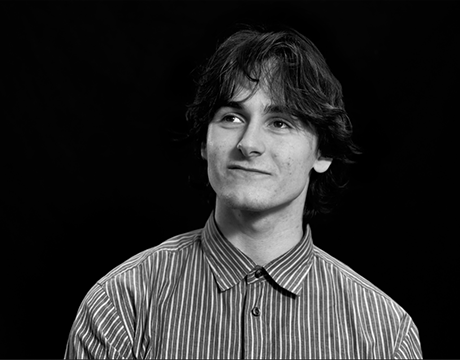
Head of Marketing at Synima
